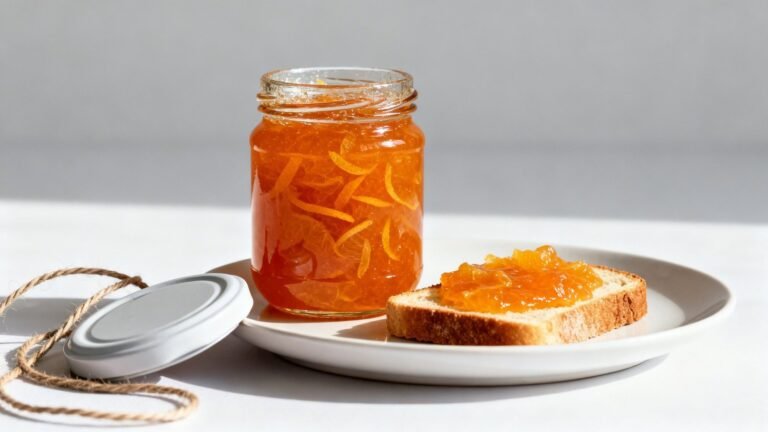
Traditional Welsh Cakes Recipe | Authentic Welsh Tea Cakes for Breakfast
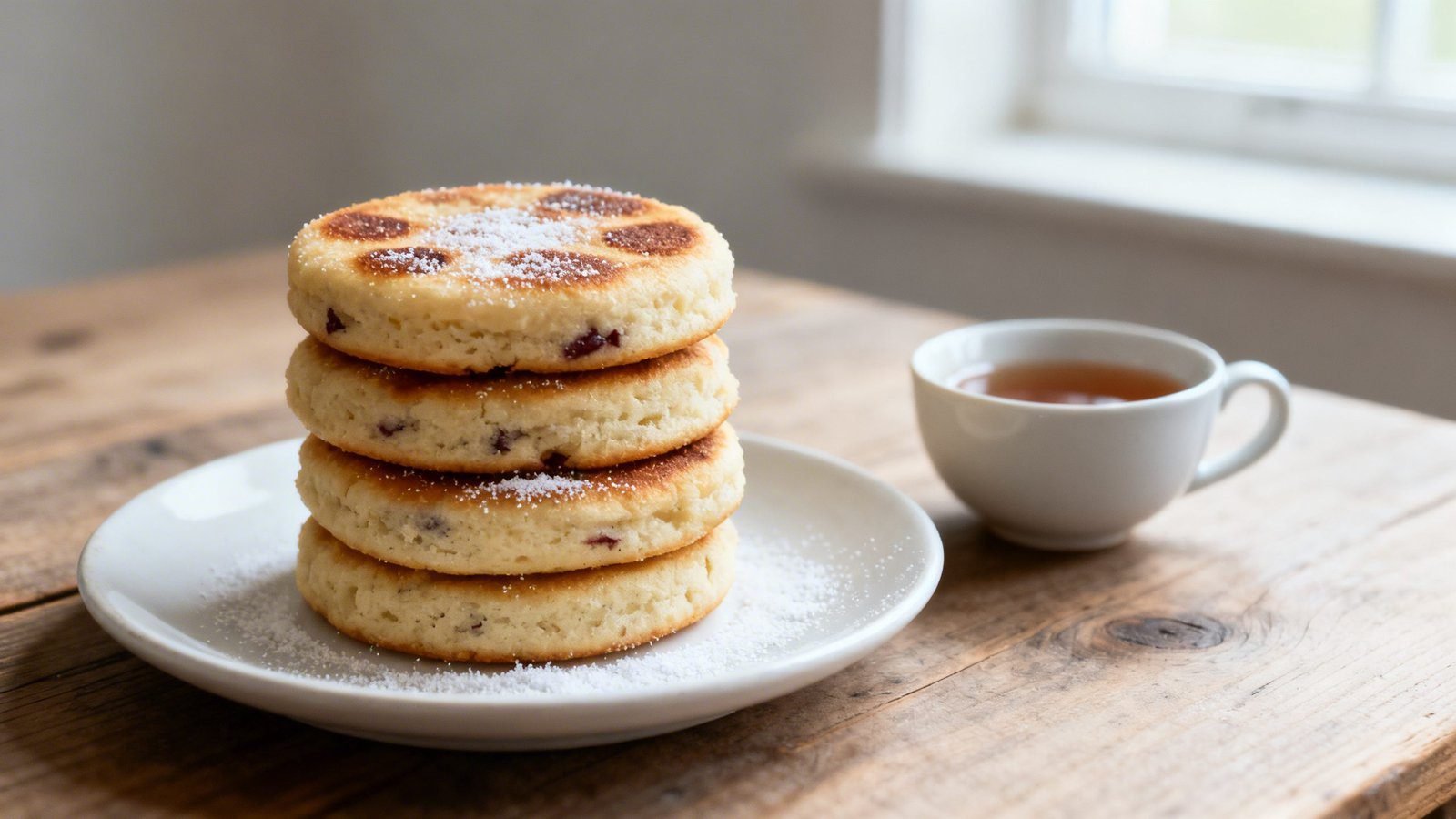
You can’t beat a warm Welsh cake fresh off the griddle. These small, tender tea cakes come lightly sweet, studded with currants, and dusted with sugar. They cook in minutes, smell like butter and spice, and practically beg for a cup of tea. Breakfast, snack, or dessert—they fit every moment.
I’ll walk you through a traditional, no-fuss method that delivers soft middles, golden edges, and that classic nutmeg-cinnamon aroma. You’ll learn the right fat-to-flour ratio, how to keep the dough tender, and the easy trick for perfect circles every time.
Why This Welsh Cakes Recipe Delivers
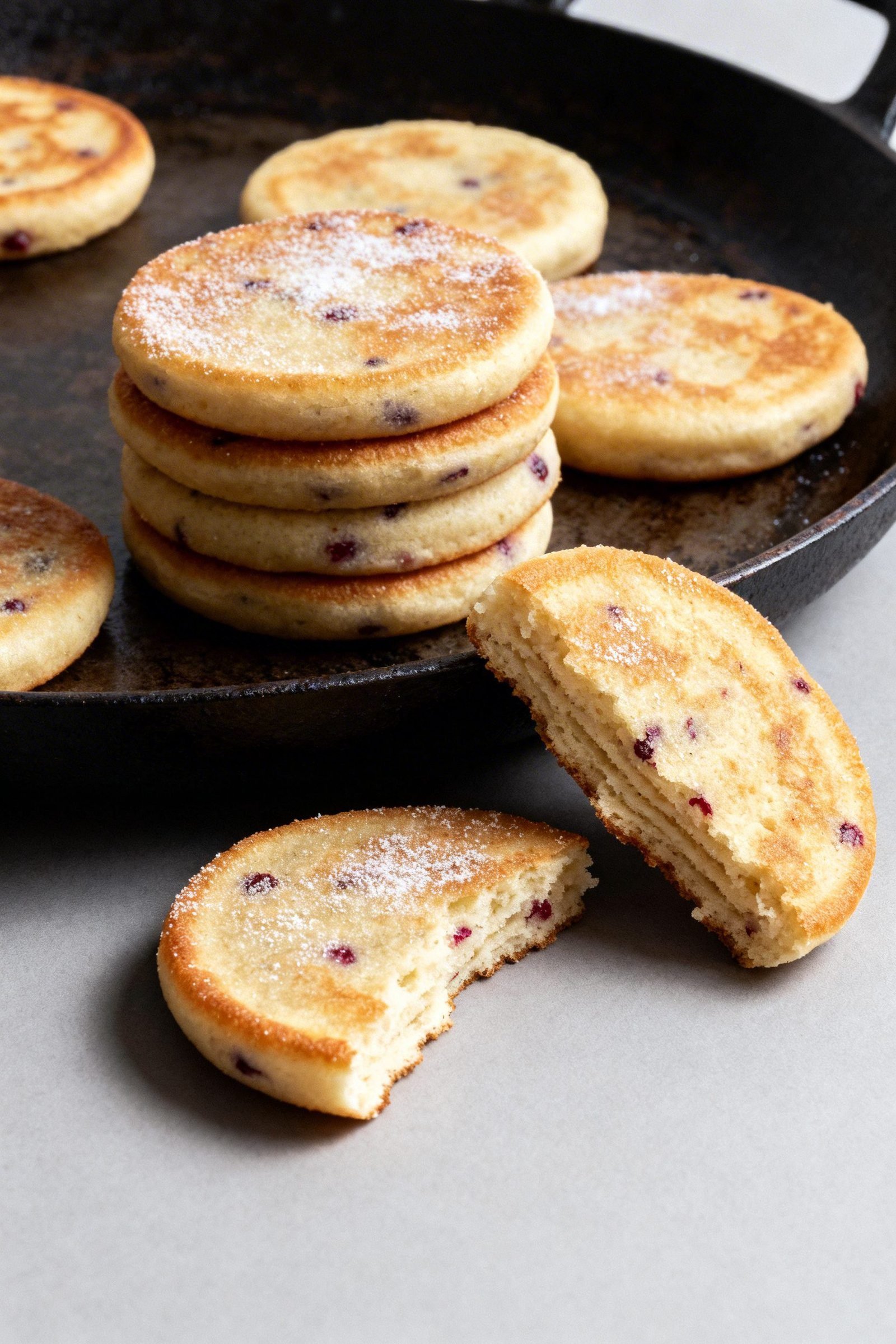
- Tender crumb, not dry: Cold butter rubbed into flour forms tiny layers that stay soft on the griddle.
- Classic flavor: A touch of spice and currants gives that unmistakable Welsh tea cake taste.
- Quick cook time: Each batch cooks in 2–3 minutes per side—no oven needed.
- Make-ahead friendly: Chill the dough or freeze the cakes for quick breakfasts later.
- Beginner-friendly: Simple ingredients, straightforward method, and forgiving dough.
Ingredients
Pantry and Fresh
- 2 cups (250 g) all-purpose flour
- 1/3 cup (65 g) granulated sugar
- 1 1/2 tsp baking powder
- 1/2 tsp fine salt
- 1/2 tsp ground cinnamon
- 1/4 tsp ground nutmeg
- 1/2 cup (115 g) cold unsalted butter, cubed
- 1/2 cup (75 g) currants (or raisins finely chopped)
- 1 large egg
- 3–4 tbsp milk, as needed to bring dough together
- Extra sugar for dusting
- Neutral oil or butter for greasing the griddle (optional; traditional recipes cook on a dry, well-seasoned bakestone)
Tools You’ll Need
- Heavy griddle, cast-iron skillet, or bakestone
- Mixing bowl
- Pastry cutter or fingertips for rubbing in butter
- Rolling pin
- 2–2 1/2 inch (5–6 cm) round cutter
- Spatula
- Cooling rack
How to Make Traditional Welsh Cakes for Breakfast
1) Mix the Dry Base
- Whisk flour, sugar, baking powder, salt, cinnamon, and nutmeg in a large bowl until well combined.
2) Rub in the Butter
- Add cold butter cubes to the bowl.
- Rub the butter into the flour with your fingertips or cut it in with a pastry cutter until it looks like coarse breadcrumbs with a few pea-sized bits. Keep everything cold for the best texture.
3) Add Fruit and Wet Ingredients
- Stir in the currants.
- Lightly beat the egg with 3 tablespoons of milk. Drizzle it into the bowl.
- Mix gently with a fork until clumps form. If dry flour remains, add the last tablespoon of milk. Stop as soon as the dough holds together.
4) Shape the Dough
- Turn the dough onto a lightly floured surface.
- Knead once or twice to bring it together—no more. Overworking toughens the cakes.
- Roll to about 1/4 inch (6–7 mm) thick.
- Cut rounds with a 2–2 1/2 inch cutter. Re-roll scraps gently and cut again.
5) Heat the Griddle
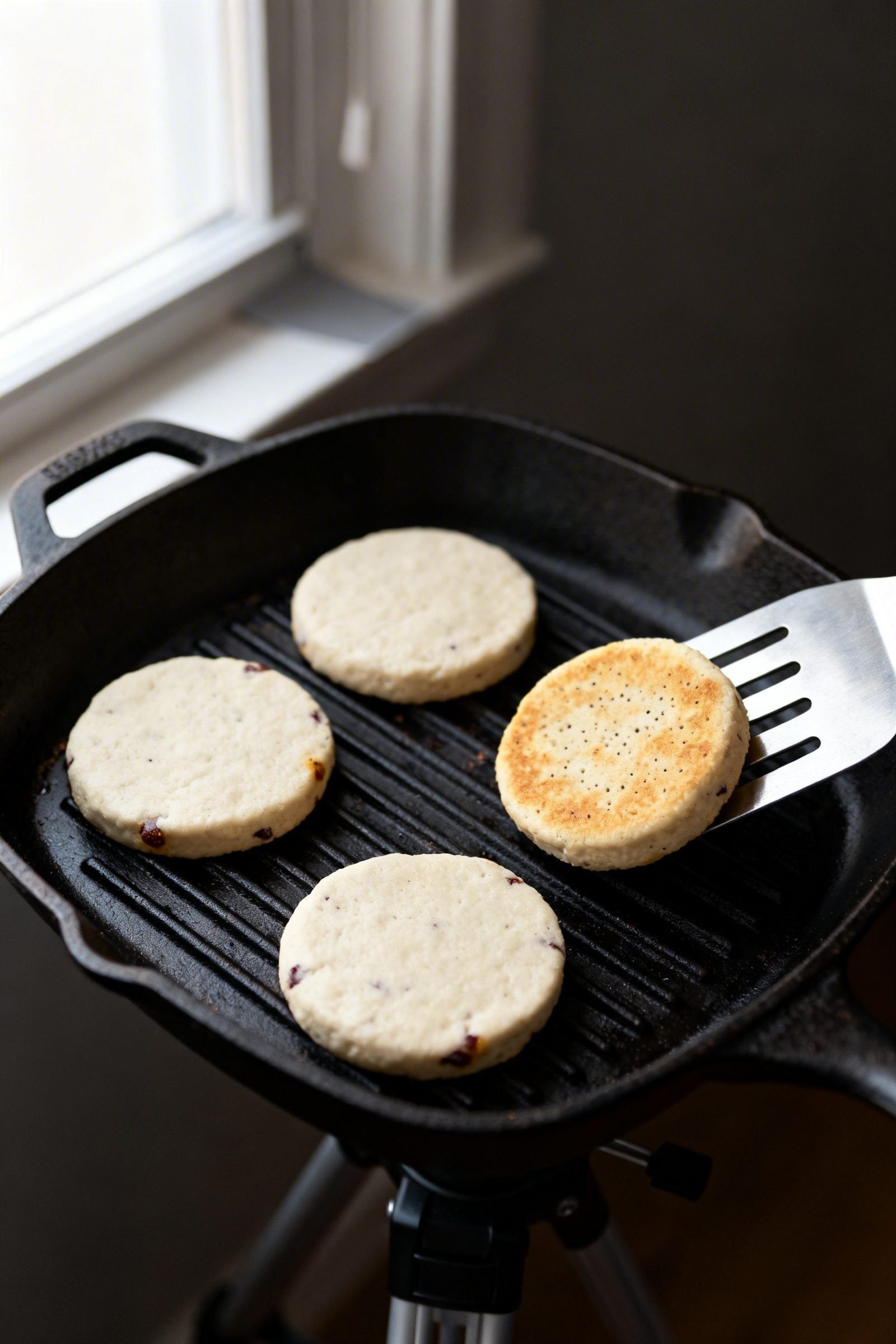
- Preheat a cast-iron skillet or griddle over medium-low heat for 3–5 minutes. Aim for about 325–350°F (165–175°C).
- Lightly grease if your pan sticks, or keep it dry for a traditional bakestone finish.
6) Cook the Welsh Cakes
- Place rounds on the griddle, leaving a little space.
- Cook for 2–3 minutes per side until golden with light brown spots and set in the middle.
- Adjust heat if they brown too fast—golden outside + cooked center is the goal.
7) Finish and Serve
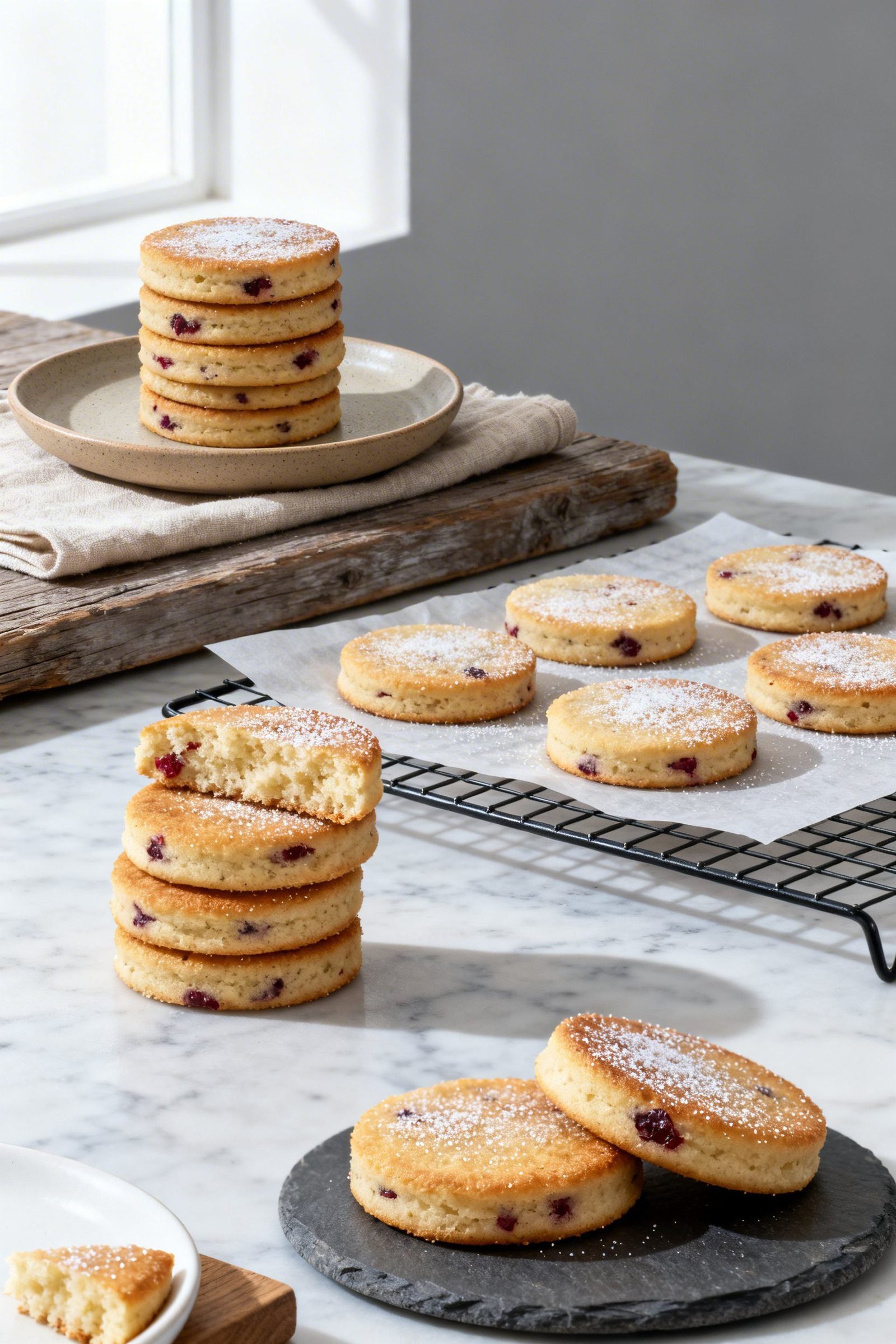
- Transfer to a rack and immediately dust with sugar.
- Serve warm with butter, jam, or honey. They taste fantastic plain, too.
How to Store Fresh Welsh Cakes
- Room temperature: Store cooled cakes in an airtight container for up to 3 days. Refresh on a warm skillet for 30–60 seconds per side.
- Refrigerator: Keeps well for 5–6 days. Rewarm before serving.
- Freezer: Freeze in a single layer, then bag for up to 2 months. Thaw at room temp and reheat on a dry skillet.
- Make-ahead dough: Wrap and chill for up to 24 hours, or freeze up to 1 month. Thaw chilled dough slightly before rolling.
Why You’ll Love Making Welsh Cakes
- No oven required: Perfect for hot days or small kitchens.
- Fast and flexible: From bowl to plate in about 30 minutes.
- Breakfast to teatime: Works with coffee, tea, or as a lunchbox treat.
- Simple ingredients: Everything lives in a basic pantry.
- Old-world charm: A traditional recipe that feels cozy and special.
What to Avoid for Best Results
- Don’t overmix the dough: Mix just until it comes together. Overmixing makes tough cakes.
- Don’t roll too thick or too thin: About 1/4 inch keeps centers soft and edges golden.
- Don’t crank the heat: High heat scorches the outside before centers cook.
- Don’t skip the rest: If your kitchen runs warm, chill cut rounds for 10 minutes for cleaner edges and even cooking.
- Don’t add too much milk: The dough should feel soft but not sticky.
Easy Variations to Try
- Orange + currant: Add 1 tsp finely grated orange zest to the dough.
- Vanilla sugar: Split a vanilla bean and mix seeds into the sugar for dusting.
- Spiced raisin: Swap currants for chopped raisins and add a pinch of allspice.
- Chocolate chip: Replace fruit with mini chocolate chips for a kid-friendly twist.
- Whole-wheat blend: Use half whole-wheat flour. Add 1–2 tsp extra milk if needed.
- Butter-brushed finish: Brush warm cakes with melted butter before sugaring for extra sheen and flavor.
- Brown sugar depth: Swap half the granulated sugar for light brown sugar for a hint of caramel.
FAQ
What’s the difference between Welsh cakes and scones?
Welsh cakes cook on a griddle and stay thinner, softer, and slightly denser. Scones bake in the oven and rise taller with a flakier crumb.
Can I use self-rising flour?
Yes. Replace the all-purpose flour and baking powder with self-rising flour and keep the salt at a small pinch. The texture stays similar.
Do I need a bakestone?
No. A cast-iron skillet or heavy nonstick griddle works perfectly. Keep the heat moderate and steady.
What can I use instead of currants?
Try raisins (chopped), sultanas, dried cranberries, or finely chopped dried apricots. Keep the pieces small for even cooking.
How do I know when they’re done?
Look for even golden color and a slight spring when pressed. If they feel doughy, lower the heat and give them another minute per side.
Can I make them dairy-free?
Use a plant-based butter that stays firm when cold and a non-dairy milk. The method stays the same.
Why did mine turn out tough?
Overmixing or too much liquid causes toughness. Mix gently, keep butter cold, and roll to the right thickness.
Conclusion
Warm, lightly sugared, and beautifully spiced, these traditional Welsh cakes deliver comfort in every bite. Keep the butter cold, the heat moderate, and the dough tender, and you’ll nail that classic tearoom texture at home. Brew a pot of tea, dust the tops with sugar, and enjoy a timeless breakfast you’ll make again and again.
Traditional Welsh Cakes
Tender, lightly spiced Welsh tea cakes with currants, cooked on a griddle and dusted with sugar.
Ingredients
- 2 cups (250 g) all-purpose flour
- ⅓ cup (65 g) granulated sugar
- 1 ½ tsp baking powder
- ½ tsp fine salt
- ½ tsp ground cinnamon
- ¼ tsp ground nutmeg
- ½ cup (115 g) cold unsalted butter, cubed
- ½ cup (75 g) currants (or raisins finely chopped)
- 1 large egg
- 3–4 tbsp milk, as needed to bring dough together
- Extra sugar for dusting
- Neutral oil or butter for greasing the griddle (optional)
Instructions
- Whisk flour, sugar, baking powder, salt, cinnamon, and nutmeg in a large bowl.
- Rub in the cold butter with fingertips or a pastry cutter until the mixture resembles coarse breadcrumbs with a few pea-sized bits, keeping everything cold.
- Stir in currants. Beat the egg with 3 tbsp milk and drizzle into the bowl. Mix gently until clumps form, adding the remaining 1 tbsp milk only if dry flour remains; stop as soon as the dough holds together.
- Turn dough onto a lightly floured surface. Knead once or twice just to bring together. Roll to ¼ inch (6–7 mm) thick. Cut rounds with a 2–2 ½ inch cutter, re-rolling scraps gently.
- Preheat a griddle or cast-iron skillet over medium-low heat (325–350°F / 165–175°C) for 3–5 minutes; lightly grease if needed.
- Cook rounds 2–3 minutes per side until golden with light brown spots and set in the middle, adjusting heat to avoid scorching.
- Transfer to a rack and immediately dust with sugar. Serve warm plain or with butter, jam, or honey.